Captain Wolfgang Beck
Captain Wolfgang Beck is the Wehrmacht officer who requisitions Vianne Mauriac's home, Le Jardin, in Carriveau, and whose presence forces the sisters into opposing stances of accommodation and defiance. His character traces a tragic arc from a polite, homesick soldier who tries to act as a gentleman, through a deepening moral conflict as he witnesses Nazi atrocities, to his violent death at the hands of the women he has tried to protect. Beck's fate crystallizes the novel's central question: whether a decent man can serve an evil regime without being destroyed by it.
Identity and Arrival
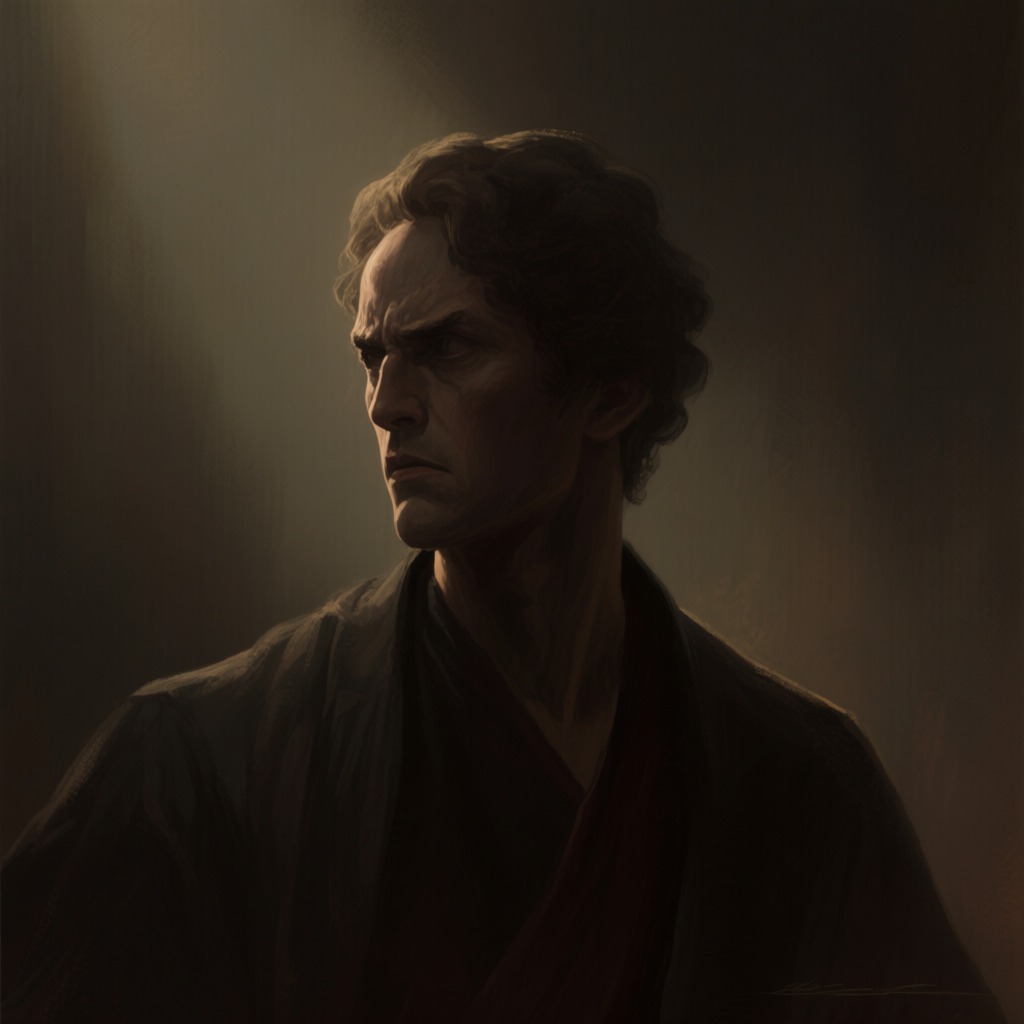
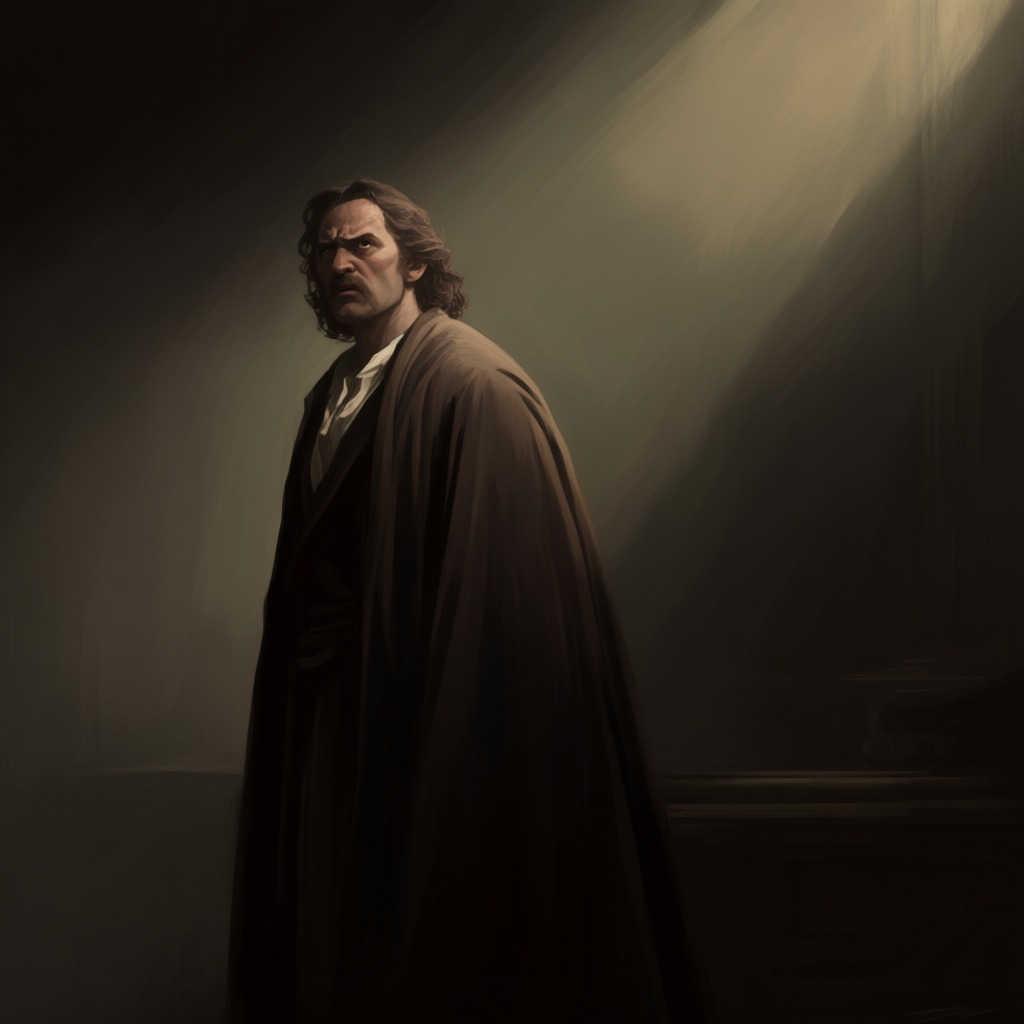
Beck first appears in Carriveau on the day the Germans occupy the town, riding a motorcycle with a machine-gun-mounted sidecar. He is a Hauptmann (Captain) in the Wehrmacht, a good-looking man of roughly Vianne's age, with pale skin, light gray eyes, and deep dimples that appear when he smiles. His field uniform is precisely pressed and looks brand new; an Iron Cross decorates his stand-up collar. He presents Vianne with a requisition order for her home, explaining in halting French that he is ordered to billet there. When Vianne protests that she is married and lives with her sister and young daughter, Beck replies that he is simply following orders and assures her he is a gentleman. He mentions his wife, who is expecting a baby they plan to call Wilhelm, and his six-year-old daughter, Gisela, who would rather build a fort than read a book. This revelation of his family humanizes him for Vianne, who finds herself reassured by the knowledge that he is a married man with children.
Life at Le Jardin and the Growing Moral Conflict
Beck's presence at Le Jardin creates a tense domestic arrangement. He is unfailingly polite, bringing wine to the table and offering to chop wood for Vianne, but his every gesture is shadowed by the occupation. Isabelle immediately despises him, hacking off her own hair in a theatrical act of defiance when he compliments her beauty. Vianne, by contrast, tries to keep the peace, believing that compliance will protect her daughter, Sophie, until her husband, Antoine, returns from the front. Over time, Beck reveals himself to be a man caught between duty and conscience. He tells Vianne that he has been admonished to act as a gentleman, adding that his mother scares him more than his general. He brings her a letter from Antoine, who is a prisoner of war in an Oflag in Germany, and arranges for her to send care packages. When Vianne is fired from her teaching post for questioning a Gestapo officer and her money runs out, Beck quietly ensures that Sophie will not starve, telling Vianne, "That is one thing you can be sure of." Yet he also asks Vianne for a list of Jewish and communist teachers at the school, claiming it is merely clerical, and she gives him the names, including that of her best friend, Rachel de Champlain. The teachers are fired, and Vianne is consumed by guilt. Beck later apologizes, saying he was told the list was clerical, but the damage is done.
The Warning and the Roundup
Beck's moral crisis deepens as the war progresses. In July 1942, he rides his motorcycle to Rachel's cottage and warns Vianne that Rachel should not be at home the next morning. When Rachel asks why, Beck says only that if she is there tomorrow, she will not be there the day after. He tells Vianne that if Rachel were his friend, he would find a way to hide her for a day. Vianne hides Rachel and her children in the cellar of Le Jardin, but the next day, when the roundup does not happen as expected, Rachel emerges. A French policeman, Paul, arrives and deports Rachel to a cattle car at the train station. Vianne sees Beck on the platform, holding a whip. When she confronts him later, he insists that the whip sickens him and that he was only following orders. He tells her that the Wehrmacht is no longer in control; the Gestapo and the SS are brutes. He also reveals that Rachel's son, Ari, was not on the list because he was born in France and is under fourteen, but he warns that soon all Jews will be deported, regardless of age or place of birth. He provides Vianne with false papers for Ari, renaming him Daniel Antoine Mauriac, and tells her to be extremely careful.
The Killing
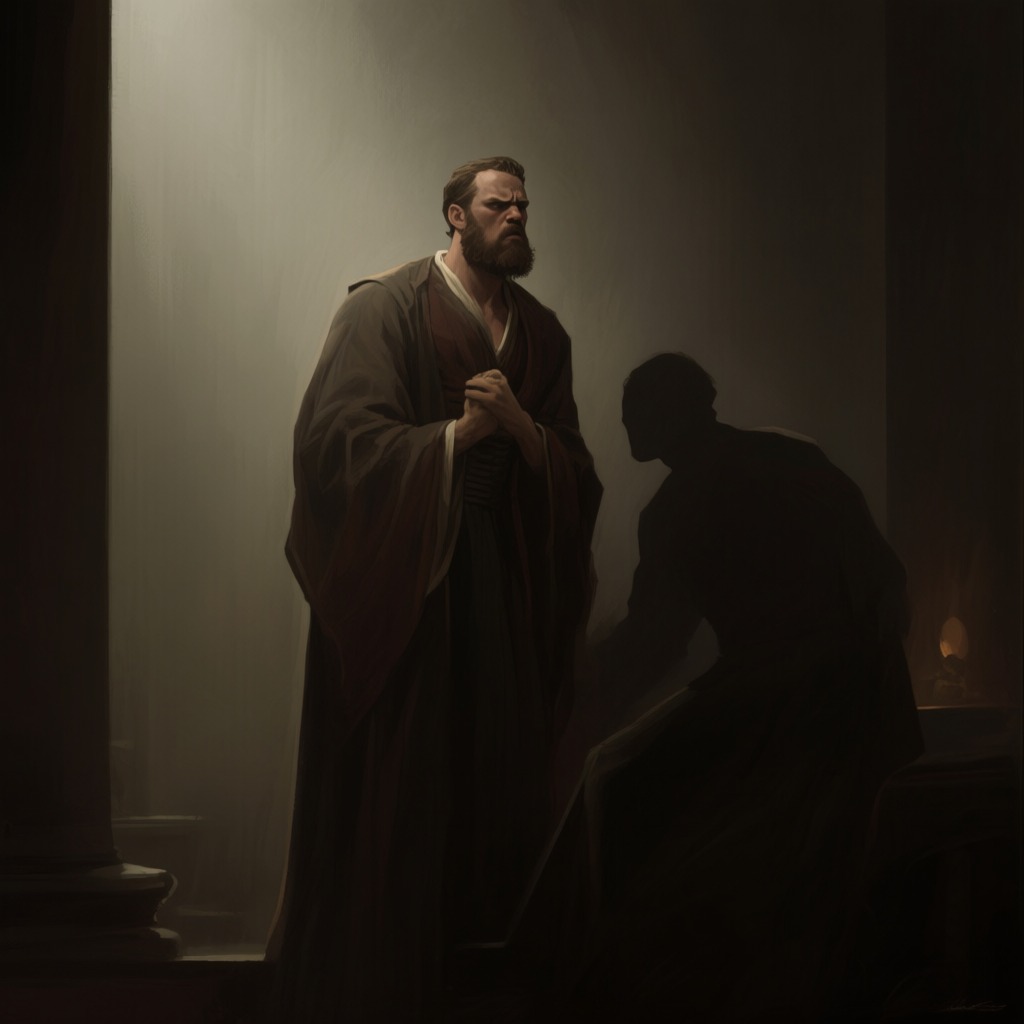
Beck's final act is a search for a downed American pilot. After an Allied bombing raid on the airfield, Beck becomes agitated, telling Vianne that the Gestapo will kill him if he fails to find the pilot. He searches her house and then the barn. In the barn, he discovers the cellar door where Isabelle is hiding the wounded pilot. He unholsters his gun and lifts the hatch. Vianne, desperate to stop him, grabs a shovel and swings it at the back of his head, slicing deeply into his skull. At the same moment, Isabelle, who has a gun, fires from the cellar, hitting Beck in the chest. Beck crumples to his knees, a hole the size of an onion in his chest, spurting blood. Vianne kneels beside him and tries to wipe the blood from his face. Beck's eyes flutter open, and he whispers, "Tell my family..." before he dies. Vianne and Isabelle argue over who killed him, but both are complicit in his death. The resistance fighters who arrive to collect the pilot and the body dispose of Beck's corpse and his motorcycle, leaving no trace.
Aftermath and Thematic Significance
Beck's death haunts Vianne. She sits on his bed, holding the small portrait of his family, and thinks of the man she killed. She remembers his kindnesses—the fish he brought, the antibiotics he gave Sophie, the false papers for Ari—and she is consumed by guilt. She tells Isabelle that they killed a good man. Beck's arc embodies the tragedy of a decent individual who serves an evil system. He tries to act as a gentleman, to protect Vianne and Sophie, and to mitigate the worst of the occupation, but he is ultimately complicit in the deportation of Rachel and the firing of the teachers. His death is a direct consequence of his own divided loyalties: he is a soldier who follows orders, but he is also a man who tries to do the right thing, and that contradiction destroys him. In the present-day frame, Vianne, now an old woman dying of cancer, remembers Beck and the terrible things she has done, including the man she killed. His memory is one of the secrets she has kept for fifty years, a wound that has never fully healed.